On April 23rd Manitoba detected a rabies positive dog in the City of Winnipeg. The 1.5 year old dog was originally from Nunavut and is believed to have been exposed to an Arctic fox in the weeks before it was brought into Winnipeg through a local rescue.

The exact date of exposure is unknown, but locals in the community noted the dog chasing a fox on or around February 27th, 2025, along with a pack of other dogs. This dog arrived in Winnipeg on March 31st, was quarantined for 2 weeks by the rescue, then was vaccinated (with rabies and distemper/ parvo) and was spayed on April 16th at a Winnipeg veterinary clinic. Symptoms of rabies began on April 18th, and the dog died on the 20th from a cardiac arrest after sedation at another Winnipeg vet clinic (the dog was aggressive and could not be handled while awake). Symptoms included lethargy, hypersalivation, stargazing, and aggression. Positive rabies test results were received on April 23rd. Variant typing is pending, but the arctic fox variant is anticipated considering the wildlife activity and sighting in the area.

Rabies virus is present throughout Canada in a variety of wildlife hosts. Arctic foxes, skunks, and bats are the main reservoir species in Manitoba. The virus is spread through saliva and has a long incubation period (the time between exposure and expression of symptoms) of up to 6 months. Unfortunately, once symptoms appear, rabies is 100% fatal, and mortality generally occurs within 10 days of symptom development. Rabies vaccines are extremely effective at preventing disease progression when given shortly after exposure (ideally within 7 days). In dogs that are incubating the virus, a rabies vaccine can sometimes accelerate disease progression, as seen in this case. Generally, rabies virus is only seen in saliva when symptoms are present, but it is possible for viral expression in the few days prior to symptom detection. There are no antemortem tests for rabies, diagnosis can only be made post-mortem on fresh brain tissue.

At least 3 individuals are receiving post-exposure treatment after handling this dog while it was symptomatic, and several more individuals are receiving post-exposure treatment after handling the dog at the time of her spay on April 16th. One dog in the foster home received post-exposure vaccination but does not require a quarantine as it was fully vaccinated prior to its exposure.

There are 2 other dogs that came from this community that are related to the positive dog (possibly her puppies, both aged ~6 months). The dogs were flown to Winnipeg separately over the course of 6 weeks (Puppy 1 arrived Feb 28th, Puppy 2 arrived April 20th). Puppy 1 was vaccinated in March and then adopted out to a home in Ontario, while Puppy 2 was vaccinated shortly after arrival and is still in Winnipeg. Neither puppy had known exposure to wildlife.

The three dogs were last together in February, in Nunavut, with no contact with the positive dog while it was symptomatic. Neither of the two puppies are undergoing a quarantine as they had no known exposure and have both received a first rabies vaccine.

Both the veterinary health and public health teams for Nunavut and Ontario were made aware of the case, the dogs’ origins, and the current locations of the puppies. No further follow-up is anticipated.

While rabies is a rare disease in domestic animals in Canada, this case illustrates the importance of widespread animal vaccination and record keeping of animal travel. With domestic animal relocations from high-risk areas, and wildlife habitat range changes due to climate change and urbanization, the risk of rabies is present across the country, including in regions with no previous cases. Animal vaccines are a safe and effective means of protecting both animal health and human health, and clear record-keeping is invaluable during disease investigations.


For questions on rabies testing or to report a rabies concern, call the Manitoba Agriculture on-call veterinarian at the rabies line, 204-470-1108.

Alexandra Jerao, DVM

Operations Veterinarian – One Health & Rabies, Manitoba Agriculture

Alexandra.Jerao@gov.mb.ca


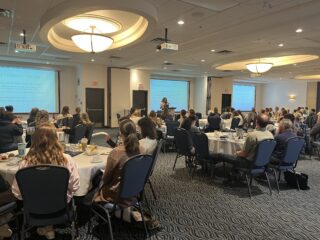
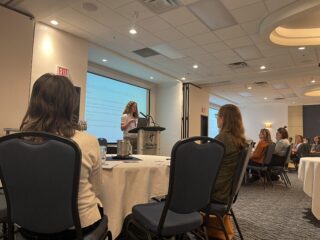
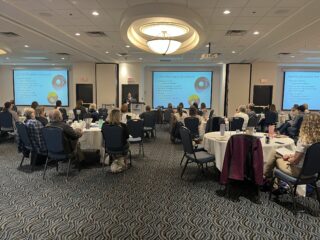
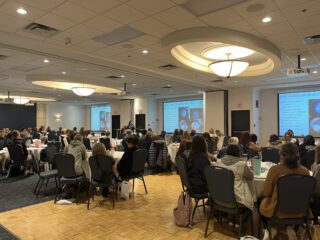
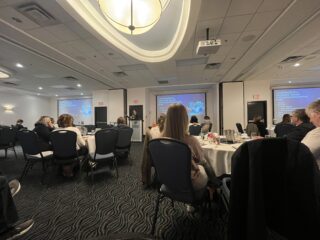
Thank You for Joining Us at the 2025 Specialist Symposium!
Presented by the Manitoba Veterinary Medical Association
May 4, 2025 | Holiday Inn West, Winnipeg

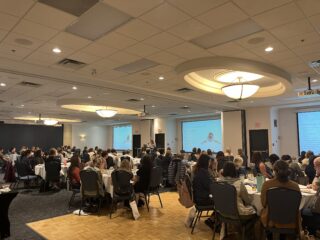
The MVMA was thrilled to welcome veterinary professionals from across Manitoba to the 2025 Specialist Symposium, a full day of learning, connection, and collaboration. This year’s event offered attendees the chance to earn 6 CE credit hours while engaging with expert-led sessions in veterinary behaviour, ophthalmology, and radiology.

Dr. Anneliese Heinrich opened the day with a practical approach to managing behavioural cases in clinical settings. Dr. Kimberly Hsu followed with insights into canine cataract management. Dr. Tannis Lochhead delivered an in-depth, three-part series on small animal gastrointestinal radiography, concluding with strategies for identifying difficult-to-detect foreign bodies.

Along with valuable educational content, the symposium provided an opportunity for veterinary professionals to connect, share experiences, and strengthen the Manitoba veterinary community.

We sincerely thank our presenters, attendees, and everyone who helped make this event a success!

Here are some supplementary materials from Dr Tannis Lochhead!:


Manitoba Agriculture and industry stakeholders would like to inform MVMA members that Highly Pathogenic Avian Influenza (HPAI) has been recently detected in commercial poultry and wild birds within the province. This highly contagious virus is known to be transmitted by wild waterfowl and shorebirds, with heightened risk of HPAI infection occurring during spring and fall migration. During these times, poultry owners are encouraged to watch their birds closely for signs of disease, such as decreased egg production, increased mortality or severe depression, and take measures to reduce contact between wild birds and their flock. Veterinary teams and owners are also reminded that HPAI is zoonotic, so proper personal protective equipment should be used when handling suspect animals, and that it can infect other species that are in contact with or scavenging positive birds.

HPAI is a federally reportable disease in poultry which means that the Canadian Food Inspection Agency (CFIA) must be notified of all suspected cases. Poultry owners should contact their veterinarian or the Canadian Food Inspection Agency (CFIA) Sick Bird Line (1-403-338-5225) if they are concerned that their birds have been infected with HPAI. Veterinary teams receiving calls about HPAI suspect poultry should also contact the CFIA Sick Bird Line where HPAI risk and how to proceed will be determined.

More information on HPAI and biosecurity recommendations for poultry owners can be found at the CFIA’s Facts About Avian Influenza website. Owner or veterinary teams are also encouraged to reach out to the Manitoba Chief Veterinary Office at 1-204-945-7663 or chiefveterinaryoffice@gov.mb.ca if they have additional questions.


The Manitoba Veterinary Medical Association (MVMA) is pleased to present the 2022–2024 Strategic Plan Report. This report highlights the significant progress achieved over the past three years, guided by the priorities established through a comprehensive planning process. These priorities were first outlined in the original 2022–2024 Strategic Plan, which served as a roadmap for our initiatives. We are grateful to our members and partners for their contributions and support in advancing these efforts.

As we look to the future, the MVMA is preparing to update and restructure its Strategic Plan to continue guiding our efforts in advancing veterinary medicine in Manitoba. We recognize there is still significant work ahead and look forward to engaging our members in shaping the next phase of our strategic direction.

We invite you to review the report and reflect on the accomplishments that have positioned us for continued growth and success.

Strategic Plan Report 2022-2024


Presented by the Manitoba Veterinary Medical Association


When & Where

Date: Sunday, May 4, 2025
Time: 8:45 AM – 4:15 PM
Location: Holiday Inn West, 2520 Portage Ave, Winnipeg, MB
View location on Google Maps


Continuing Education

Earn 6 CE Credit Hours during this full-day learning event, designed specifically for Manitoba’s veterinary professionals.
This symposium is approved by the MVMA for 6 CE credit hours.


About the Event

Join us for the 2025 Specialist Symposium. A Continuing Education event hosted by the Manitoba Veterinary Medical Association. This one-day symposium features three renowned veterinary specialists sharing practical insights and clinical updates in radiology, ophthalmology, and behaviour.

This symposium offers a unique opportunity for veterinary professionals to hear from some of the most highly regarded specialists in their fields. Whether you are looking to enhance your clinical skills, gain insights into cutting-edge diagnostic techniques, or explore the latest trends in veterinary medicine, this event is designed to provide a comprehensive learning experience. The 2025 Specialist Symposium not only offers 6 CE credit hours, but it also brings together professionals from different areas of veterinary care to foster collaboration and knowledge sharing.


Time Session
7:45 AM – 8:45 AM Registration and Continental Breakfast
8:45 AM Welcome and Opening Remarks
9:00 AM – 11:00 AM Dr. Anneliese Heinrich – Addressing Behavioral Cases: A Clinical Approach
11:00 AM – 11:15 AM Break
11:15 AM – 12:15 PM Dr. Kimberly Hsu – Cloudy with a Chance of Phaco?! Management of Cataracts in Dogs
12:15 PM – 1:00 PM Lunch
1:00 PM – 2:00 PM Dr. Tannis Lochhead – Diagnostic Approach to Small Animal Gastrointestinal Radiography: Part 1
2:00 PM – 3:00 PM Dr. Tannis Lochhead – Diagnostic Approach to Small Animal Gastrointestinal Radiography: Part 2
3:00 PM – 3:15 PM Break
3:15 PM – 4:15 PM Dr. Tannis Lochhead – In Search of the Ever-Elusive Wooden Foreign Body
4:15 PM Closing Remarks

Why This Event is a Must-Attend

  • Expert Insights: Learn from leading specialists with years of experience in their respective fields.

  • Cutting-Edge Topics: Stay ahead of the curve with the latest techniques and research in radiology, ophthalmology, and behaviour.

  • Networking Opportunities: Connect with other veterinary professionals, share experiences, and build lasting relationships within the veterinary community.

  • Interactive Learning: Gain practical knowledge and clinical updates that you can immediately apply to your practice.


Who Should Attend?

This event is designed for veterinary professionals seeking high-quality Continuing Education in Manitoba. This is a must-attend event for veterinarians and RVTs looking to expand their expertise!


Registration Details

Cost: $150 + GST
Includes: Continental breakfast, refreshment breaks, and lunch
Deadline to Register: April 27, 2025

REGISTRATION NOW CLOSED

If you have any questions or concerns, please contact Hailey at engagement@mvma.ca


Meet the Experts

Dr. Tannis Lochhead, DVM, DACVR

Specialist Diplomate, American College of Veterinary Radiology

Dr. Lochhead grew up in Winnipeg riding horses and spending as much time as she could outdoors, camping, hiking, skiing, and skating.

She completed her pre-veterinary studies at the University of Manitoba in 2012 and obtained her veterinary degree from Oklahoma State University Center for Veterinary Health Sciences in 2016. She then went on to spend one year in small animal private practice in Winnipeg before moving on to complete a small animal rotating internship at BluePearl Tampa (2017-2018) and a diagnostic imaging internship at Mississippi State University College of Veterinary Medicine in (2018-2019). Her next three years were then spent completing a diagnostic imaging residency at the University of Florida College of Veterinary Medicine (2019-2022) and becoming a Diplomate of the American College of Veterinary Radiologists (DACVR).

Following residency, she joined the telemedicine team at IDEXX Laboratories as well as held a position for one year as a clinic assistant professor at University of Illinois College of Veterinary Medicine. More recently, Dr. Lochhead has joined the radiology team at Veterinary Emergency Group (VEG) as well as she has started her own teleradiology consultation business, Aero DVI.

Her professional interests are geared towards building meaningful relationships between the specialty and referring veterinarian communities. She is comfortable working with all imaging modalities, with a particular interest in ultrasound and MRI.

Outside of work, Dr. Lochhead enjoys riding her two Thoroughbred geldings and spending time with her husband, Chihuahuas, Italian Greyhounds and two dog-tolerant cats. The humans in the family love running, creating beautiful food, and traveling!

Dr. Kimberly Hsu, DVM, MSc, DACVO

Specialist Diplomate, American Board of Veterinary Ophthalmology

Originally from Calgary, Dr. Kim Hsu is a graduate of the Western College of Veterinary Medicine. She completed a small animal internship at the Royal Veterinary College, a Masters of Science degree at the Ontario Veterinary College, and an Ophthalmology residency at Eye Care for Animals in the Chicago area. Dr. Hsu has a passion for cataract and retinal surgeries. Dr. Hsu’s work on innovative techniques in cataract surgery has been featured in the Veterinary Ophthalmology journal. She is a Keynote Speaker at the 2025 ACVO Conference on Advances in Cataract Surgery. After a decade in the US, Dr. Hsu moved back to Canada in to launch True North Veterinary Eye Care in 2023. True North celebrated moving into its new facility in September 2024, and is working to lay the foundation for multi-specialty care in Manitoba. Outside of work, Dr. Hsu enjoys riding the Peloton, exploring the outdoors, and spending time with family. Dr. Hsu and her husband share their home with their three children, a fluffy white dog named Molly and a big orange cat named Mac.

Dr. Anneliese Heinrich, DVM, MSc, DACVB

Specialist Diplomate, American College of Veterinary Behaviorists

Dr. Heinrich grew up in Ontario training horses and milking cows. She obtained a BSc in Animal Biology and an MSc in Animal Behaviour and Welfare from The University of Guelph before attending the Ontario Veterinary College and graduating in 2012. She moved to Alberta in 2016 with a brief hiatus away working with marine mammals and wildlife. She completed a residency in 2023 and is currently the only Veterinary Behaviour Specialist in Alberta as a Diplomate of the American College of Veterinary Behaviorists.

Dr. Heinrich lives in Cochrane with her husband, two children, two Standard Poodles and a lovely grey cat. She also has a Paint mare called Ringlet. She has a special passion for starting young horses using positive reinforcement.


Our Sponsors

This event is proudly presented by:

Supported by:


Questions?

Contact Hailey at
engagement@mvma.ca


We look forward to seeing you there!


To ensure a safe and compliant learning environment, all veterinary clinics hosting students must follow the MVMA’s student placement requirements. These apply to all placements, including volunteering, practicums, rotations, externships, and employment.

Eligibility Requirements

Students must be enrolled in a CVMA or AVMA-accredited veterinary or veterinary technology program.

Before Beginning a Placement, Students Must:

  • Hold a free MVMA student membership
    • Valid until one month after their expected graduation
    • No renewal required
  • Complete the Student Practice Experience Form
    • Please include name and contact details for their supervising veterinarian (vet students) or supervising veterinarian/RVT (RVT students)

If you are unsure whether your student is registered correctly, contact the MVMA at mvmainfo@mvma.ca.


Porta Vet Colt in good/used condition, was used for 3 years and has been sitting since. Drawers work great. Key has been misplaced, but the drawer is not locked. New lists for $4200 USD, asking $1500 CAD. If shipping is required it would be at the buyer’s expense. Located in St Pierre-Jolys

Contact: Dr. Venessa Graydon drgraydon@graydonvet.com


We are pleased to announce Dr. Navjot Virdi’s appointment to the MVMA Council as of February 2025. She will serve a three-year term, concluding in 2028.

Dr. Virdi holds a degree in Veterinary Science and Animal Husbandry from GADVASU, India, and a Master’s in Animal Nutrition (2011) from the University of Manitoba. After obtaining board certification in Canada in 2014, she began her career with the Canadian Food Inspection Agency before transitioning to Manitoba Agriculture. With a decade of experience as a regulatory veterinarian, she currently serves as the Veterinary Manager of the Manitoba Meat Inspection Program.

As a member of the MVMA Council, Dr. Virdi looks forward to contributing her expertise in public health and regulatory medicine. She is committed to addressing industry challenges and fostering collaboration to enhance veterinary practice across Manitoba.

Welcome, Dr. Navjot Virdi!


Applications closed August 1, 2025.

The Manitoba Veterinary Medical Association (MVMA) is seeking a dedicated veterinary professional to serve on the Community Liaison Committee (CLC). This is an excellent opportunity to contribute to fostering public trust, confidence, and cooperation between the Public Health Agency of Canada’s (PHAC) National Microbiology Laboratory (NML) and the Winnipeg community.

Term of Appointment: The selected committee member will serve a three-year term, with the possibility of renewal for up to two additional terms (a maximum of nine years in total).

Meetings: The CLC meets quarterly, with additional ad-hoc meetings arranged as needed by the Chairpersons. Meetings are held both virtually and in-person.

Role of the Committee Member:

  • Act as a representative of the veterinary medical community.
  • Help facilitate open and transparent communication between the NML and the Winnipeg community.
  • Inform and address community concerns related to activities at the CSCHAH and JC Wilt laboratories.
  • Serve as an ambassador to the community by sharing accurate information and promoting public engagement in science and safety.

We would like to extend our deepest gratitude to Dr. Judy Hodge for her years of dedication and service on the CLC. Her commitment to fostering transparent communication and strengthening the relationship between the veterinary community and the public has been invaluable. As Dr. Hodge transitions from this role, we are now seeking a new veterinary representative to continue this important work.

Veterinarians or Veterinary Technologists interested in joining the committee are encouraged to express their interest by contacting the MVMA Council via email. To apply, please reach out to Corey Wilson, Executive Director & Registrar, at registrar@mvma.ca

We look forward to your participation in this important community initiative.

For a detailed overview of the committee’s mandate, scope, and responsibilities, please refer to the Community Liaison Committee Terms of Reference


As we approach the flood season, the risk of significant flooding is currently considered low to moderate. However, if you’re a veterinarian working in the livestock sector, it’s important to review the updated Veterinary Certificate of Probable Cause of Death form. This form has been amended in collaboration with the government to help veterinarians certify the cause of death for animals affected by natural disasters, which may qualify for financial relief through the Disaster Financial Assistance Program.

The document outlines the key responsibilities for producers, municipalities, and emergency organizations during an emergency. If you’re working with livestock clients, make sure your practice is equipped to assist them with the claims process by keeping the necessary information on hand.

In addition, the document includes helpful resources on flooding, evacuation, and mental health support, ensuring you have the tools and knowledge to navigate distressing situations.

Disaster Financial Assistance Program


MVMA full colour-01

ABOUT THE MVMA

Mission: To protect the public through the regulation of veterinary medicine, to support our members and to promote the profession in Manitoba.

Vision: A sustainable veterinary community working together to prioritize the health and welfare of animals, people and the environment.

Equity, Diversity and Inclusion Statement: The MVMA is committed to equity, diversity and inclusion across gender identity, ethnicity, religion, age, neurodiversity, physical or mental ability, sexual orientation, and marital status. The MVMA membership is multicultural and we value multiple approaches and different points of view in a safe, positive and collaborative environment.

INFORMATION

Become an MVMA Member – Learn about the requirements to become a licensed veterinarian or registered veterinary technologist.

Veterinary Medicine – Find out how veterinary medicine impacts the lives of animals.

©2019 MVMA. All rights reserved.